


Mycoses occupy the second most common place among infectious diseases of the skin after coccal pyoderma, and athlete's foot takes the first place not only among all fungal diseases, but also among any pathologies of the feet.They are caused by a large group of pathogenic fungi.In recent years, cases of mycosis have increased, largely due to endogenous factors - an increase in the incidence of diabetes mellitus and circulatory pathologies of the distal parts of the upper and lower limbs.
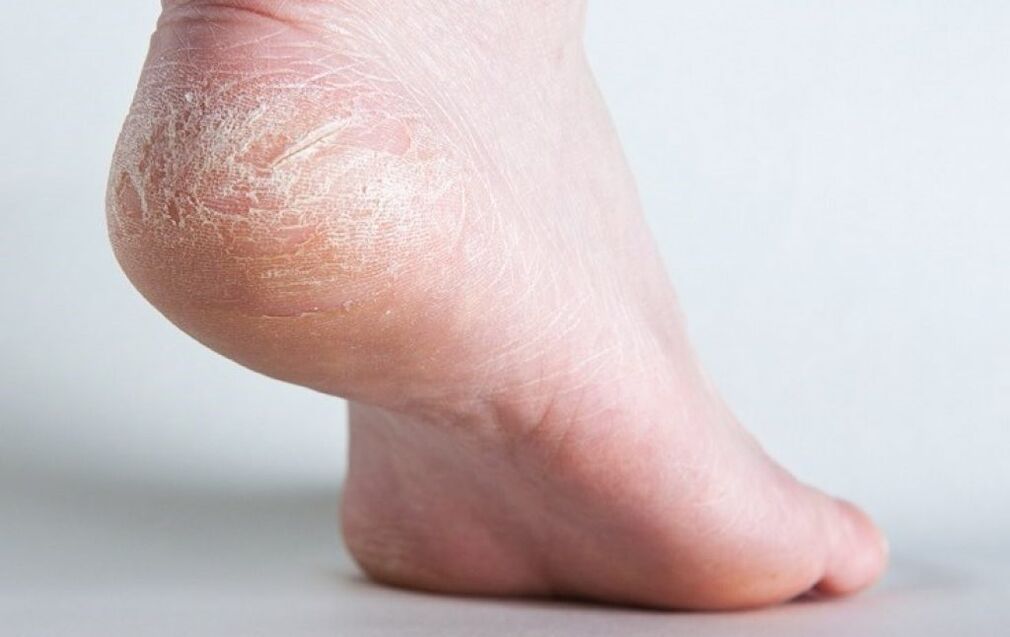
Some patients with ringworm consider them a cosmetic or temporary problem and do not even ask themselves how to treat body ringworm, simply trying to hide the external manifestations of the infection under clothes, shoes or foundation.But you should not expect that the fungus will go away on its own: without appropriate treatment, mycoses can quickly spread and affect all new tissues and areas of the body, and the infected person also poses a serious threat to others, especially to their family.The insidiousness of the fungus is also shown in the fact that it is easy to relapse if treatment does not bring successful results.
In this article we will tell you how and how to treat skin fungus, as well as what symptoms indicate its presence.
Causes of the development of fungal diseases
Fungal infections are different, but the main pathogens are skin fungus, yeast and mold.There is a system that takes into account the depth of penetration and location of infection, helping to distinguish:
- Keratomycosis only affects the superficial horny layer of the cuticle and the cuticle layer of the hair.
- Dermatophytosis - profoundly affects the skin and its appendages - nails and hair, but does not affect the subcutaneous tissue (the largest group, includes onychomycosis and onychomycosis of the feet).
- Candidiasis - in addition to the above, can affect mucous membranes and internal organs (caused by yeast-like fungi of the genus Candida).
- Deep fungi are systemic fungi that can infect subcutaneous tissue, lymph nodes, ENT organs, lungs, gastrointestinal tract, brain and central nervous system in general (caused by yeast and yeast-like fungi).
- Pseudofungal disease - affects only the stratum corneum and does not affect the nails and hair (caused by the bacteria Corynebacter minutissimum, previously confused with fungi).
The most common types of fungal skin diseases are dermatophytosis - a fungal skin disease caused by fungi belonging to three genera: Trichophyton, Epidermophyton and Microsporum.The majority of lesions of the skin and its appendages in the epidermis are caused by trichophytosis, epidermophytosis and microsporia, and most of the disease affects the skin of the feet and nails.How can you get a fungal infection?Several factors may contribute to this:
- visit public baths and saunas, swimming pools and water parks, public beaches, gyms, solariums and manicure/pedicure rooms, massage parlors, as in these places the risk of feet or hands coming into contact with contaminated surfaces is especially high;
- try on other people's shoes or share shoes;
- insufficient foot hygiene, especially excessive sweating;
- Wearing closed shoes for long periods of time prevents your feet from "breathing";
- living with someone who has ringworm;
- Damage the skin or nails when wearing shoes that are too tight - fungi easily enter the body through damaged areas.
An important factor is the increased humidity and temperature that the feet are constantly exposed to.In such conditions, the fungus develops most actively, therefore fungal infections often occur in regions with a subtropical climate or where people are forced to wear warm shoes for a long time - in regions with a cold climate.The main location of the fungus in athlete's foot is usually the folds between the toes, but as the disease progresses, the damage will spread beyond them.
let you know
According to the Ministry of Health, in 2010, more than 220 thousand people registered fungal diseases of the feet (including onychomycosis) and hands.
However, fungal diseases don't just affect the skin of the feet;The disease can occur in almost any location, including the face.Large folds are often affected, especially the inguino-femoral, leg, and buttocks folds.
Skin fungus has specific symptoms that are quite easy to recognize, which are:
- Peeling and dry skin are some of the first signs of infection.Individual scales first appear on the affected area, as the upper layer of the epidermis is shed.With deeper penetration of the fungus, active peeling occurs, and this condition only intensifies over time.
- White or red spots have a circular shape, clearly defined edges.It is very important not to ignore this symptom in the early stages of the disease, because at this time the ulcers can be single and small in size.Then new spots appear, which gradually merge with each other.
- Thickens skin.The affected areas become dense, rough and often change color: the skin turns from pale pink or white to yellow or gray.
- Small red rashes and fluid-filled blisters appear.
- Partial hair loss.
- Itching and burning are among the most common symptoms of skin fungus.It may be present continuously or appear only periodically.The important thing to understand here is that itching and burning can be signs of other skin diseases, such as allergies.
Don't ignore the appearance of cracks and calluses on your feet.Although they themselves are not a symptom of a fungal disease, through them the fungal infection penetrates the body much faster.
How to treat skin fungus
Generally, two methods of combating skin fungus can be distinguished.One of them is non-medication, which uses various traditional medicines, the second is pharmacological.
The so-called home methods include the use of baths with infusions of medicinal herbs, treatment of skin fungus with iodine, soda or vinegar solutions... The effectiveness of such treatment of skin fungus has not been clinically proven.If it can help, it is only at the early stages of the development of the disease, since most folk remedies cannot penetrate into the deep layers of the epidermis, where the fungus usually resides.So, with any fungal disease, you should not waste time and make the situation worse, but instead you need to consult a doctor to diagnose and prescribe appropriate treatment.
A significant effect is achieved by systemic treatment of dermatophytosis on the body using the drug in capsule or tablet form.Modern products contain substances that can prevent the growth of new spores, prevent cell division at the DNA/RNA level and destroy the cell membrane of fungi.However, systemic antifungals (also called fungicides and systemic fungicides) have many side effects and contraindications;they cannot be taken together with certain medications - diabetes, antihistamines, birth control pills.For example, limitations in the use of tablets are blood diseases, kidney or liver pathologies.In addition, a strict hypoallergenic diet should be followed during the treatment period.All this narrows the possibilities for systemic treatment.
Creams, sprays and solutions are effective (clinically proven) topical treatments for skin and nail fungus, with few contraindications.It has a high cure rate, is used at any stage of fungal infection, and can be used in combination with systemic therapy to reduce the dosage of oral medications.
Antifungal ingredients in gels, ointments and solutions are mainly allylamine, azole or pyrimidine, which inhibit the vital activity of fungi, cause loss of nutrition, and prevent growth and spread to other skin areas.Topical therapy with these drugs can produce high concentrations of the active ingredient in the skin, on the nail surface, and in the nail cavities, which persist for many weeks after the end of treatment.It is important that during the use of external agents, the active substance hardly enters the systemic blood and therefore does not have a negative effect on the entire body.
Many topical antifungal drugs have anti-inflammatory and antibacterial effects, soften the skin, eliminate itching and redness, are easily applied to the affected surface, sprays and solutions are convenient for treating even hairy parts of the body in case of damage.The duration of treatment with external agents and the frequency of their application are determined by the attending physician.
Ringworm is easier to prevent than to treat, but if you notice signs of skin fungus on your body, you should start treatment immediately.It is important not to start the process and take appropriate measures in time, which you need to start by contacting a specialist.The doctor himself will tell you how to quickly cure skin fungus.Attempts at manual treatment in this case can only make the situation worse.
Anti-fungal cream
As a treatment for fungal skin infections, you can choose a cream containing naftifine (1%), part of the allylamines group.The mechanism of action of the drug is based on the ability of the active substance to slow down the synthesis of ergosterol, a substance that makes up the cell walls and membranes of fungi.As a result, the mycelium loses its ability to grow, gradually leading to the death of the entire colony.
The drug is active against all the main pathogens of mycosis and can be prescribed for trichophytosis, epidermophytosis, microsporia, candida and aspergillosis of the skin, pityriasis multicolor, sporotrichosis.The cream has antibacterial and anti-inflammatory effects, reduces the likelihood of secondary bacterial infections and helps eliminate inflammatory symptoms, especially itching.
The cream penetrates deeply into the skin and creates a stable concentration of antifungal agents in different layers.After application to the skin, less than 6% of naftifine enters the systemic circulation.
Indications for use of the drug are:
- fungal infection in skin folds and smooth skin;
- interdigital fungus;
- Onychomycosis (nail fungus);
- Candida in the skin;
- Pityriasis multicolor;
- ringworm (with or without itching).
The cream has few contraindications.These include individual intolerance to the components, as well as pregnancy and lactation, since the safety and effectiveness of the drug in this group of patients have not yet been studied.Use the cream with caution in children.
Instructions for use: if the skin is affected, simply apply the cream once a day to the affected surface and surrounding areas after cleaning and drying.The duration of treatment is from two to eight weeks (for candidiasis - four weeks).
To prevent recurrence, treatment should be continued for another two weeks after the disappearance of clinical symptoms.
Cream in aluminum tubes (30 g) is available without a prescription.You can also order products via the Internet.